

Gentle Waterbirth
Waterbirth involves laboring and delivering in a warm pool to ease pain and support movement. Research shows that water birth improves outcomes for moms and is safe for babies.
A Better Birth Experience
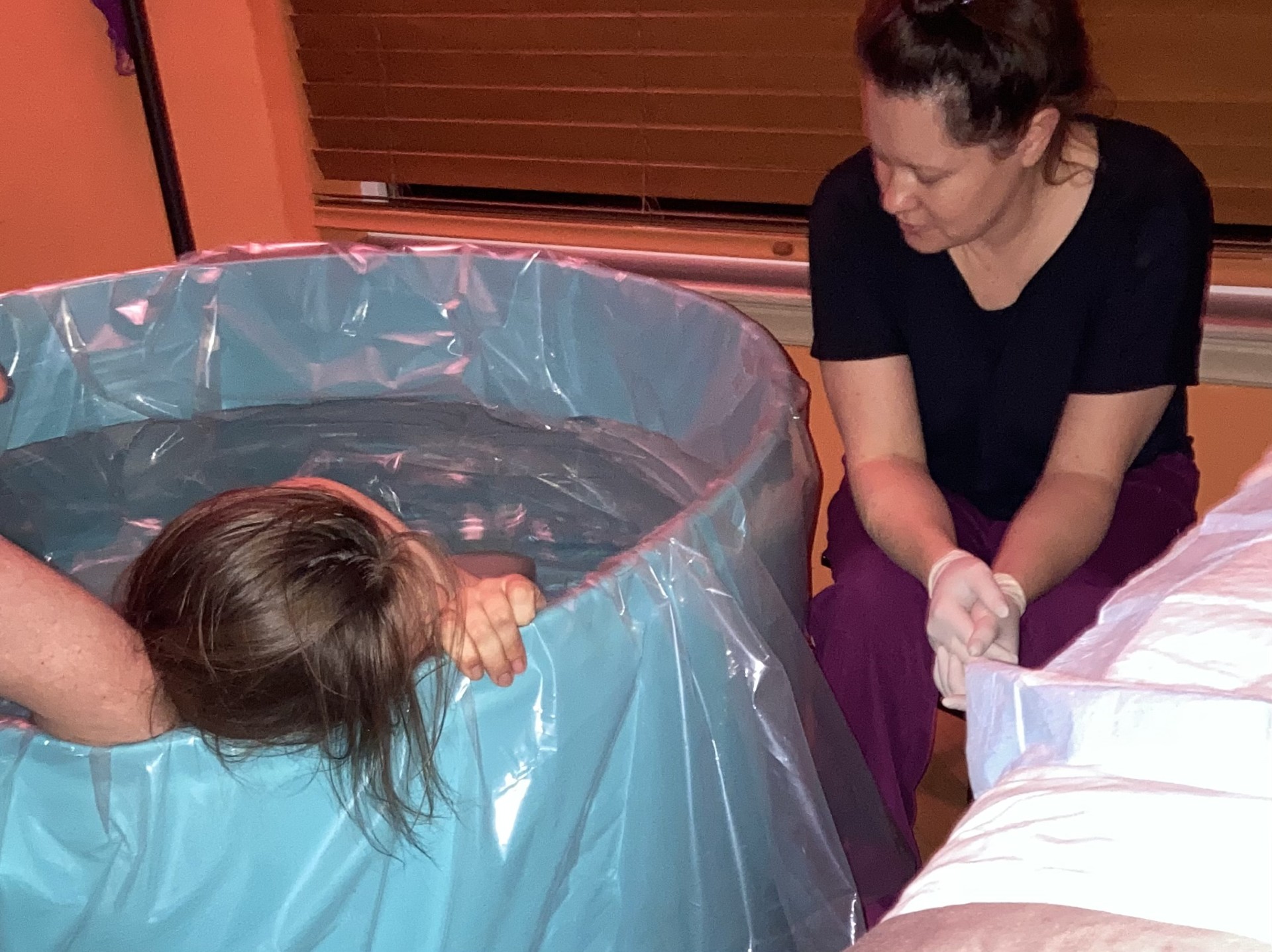
Waterbirth is a safe and gentle way to bring your baby into the world. It involves laboring and delivering in a pool of warm water, resulting in increased comfort, privacy and buoyancy against gravity. Many women feel that water birth allows them to better follow their natural birthing instincts.
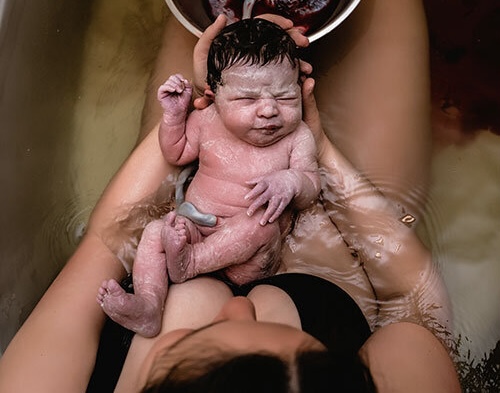
For babies, the effect is a more peaceful transition from the womb to their mother's arms. Water births are generally calm and quiet. Water babies are likewise calm, quiet and alert after birth. Interestingly, healthy babies are born with a "dive reflex," meaning they instinctively hold their breath until they come out of the water and their faces are exposed to air.




Evidence-Based Reassurance
Water immersion during labor is frequently referred to as the 'midwife’s epidural.' Research indicates that warm water significantly reduces the perception of pain and decreases the need for pharmacological interventions. By promoting deep relaxation, it encourages the natural flow of oxytocin, which helps labor progress more efficiently and gently.